
"coffee and sugar ratios"
3000 article(s) found

Suggestions on hand punching temperature, grinding degree and powder-to-water ratio of red honey in Tobushi, Costa Rica
Professional baristas please follow the coffee workshop (Wechat official account cafe_style) Tobosi was established in 2010, about 1450 meters above sea level, providing high-quality boutique coffee, with the goal of becoming a leader in supplying boutique coffee. Strive to produce the products under an open and transparent system and have a complete track record to ensure that customers can get the best products.
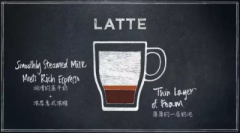
The difference between latte and cappuccino
In terms of formula, the definition of latte and cappuccino is not clear. The only difference between the two is that latte has more milk than cappuccino and milk foam is thinner than cappuccino. When it comes to lattes, the ratio of milk to Italian concentrate fluctuates between 3:1 and 5:1, meaning that if there are 30g Italian concentrate, there are 90g to 150g milk. The value of this ratio often fluctuates, and the total

How to adjust the parameters of hand-made coffee and how to sweeten a cup of hand-made coffee
I believe that many friends have the habit of making coffee by hand at home, but sometimes they feel that they can't get the taste of a cafe, so they fall into a state of turning the corner. In this issue, the editor will share the parameters that affect a cup of coffee. First, coffee beans high-quality coffee beans are the foundation of a good cup of coffee. Generally speaking, the coffee beans used in hand-brewed coffee are single beans, that is, single-origin coffee beans.

Wine and coffee
Although wine and coffee are two completely different drinks, they have an unexpected effect when mixed together. To coffee as the main body, add flavor and flavor of mellow wine, the perfect integration of wine and coffee, also known as fortified coffee, used to add coffee to the alcohol, generally liqueur or high alcohol content and strong liquor. The fusion of wine and coffee can make the coffee stronger.

Do you know anything about coffee? What is espresso, cappuccino?
Professional barista communication, please pay attention to coffee workshop (Weixin Official Accounts cafe_style ) Do you dare to say that you are a coffee expert? There are hundreds of coffee types, shallow roasting, hand brewing and self-baking coffee. This trend has gradually swept from the United States. The hand-brewed coffee led by professionals has spread at an irresistible speed. If you suffer from coffee addiction, you must understand this basic coffee science! La Vie
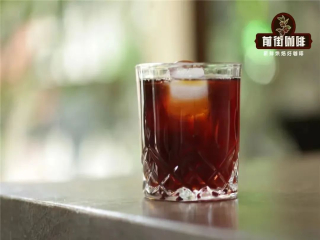
What's the taste of iced coffee? Ice drop coffee production method, process time, water powder ratio parameters
Professional coffee knowledge exchange more coffee bean information please follow the coffee workshop (Wechat official account cafe_style) "ice drop coffee" is the coffee extracted for a long time by dripping ice water. Its features are: mellow and smooth taste, sweet not sour, charming wine aroma. Iced coffee is very time-consuming. one

Essex Damo Sunshine Huakui 6.0 hand impact grindability ratio Water temperature introduction to the story characteristics of Guji boutique coffee beans
Professional barista exchanges please follow the coffee workshop (Wechat official account cafe_style) award-winning cup flavor test: passion fruit, rose flavor, strawberry jam, sweet and sour berries, peach pulp, black tea tail rhyme 2016 / 2017 EthiopiaNationalTaste

The difference between siphon coffee and ice drop coffee how much is it per cup
The difference between siphon coffee and ice drop coffee how much it costs to soak in a cup is the most convenient, and everyone can make it at home. Grind the coffee beans to the size of coarse sugar particles, or you can ask the coffee shop to help grind them to the right thickness, then according to the ratio of 1:15, 10g coffee powder and 150g water, soak for 8-12 hours, store them in the refrigerator, take them out and finish them.
The basic chemical reaction of coffee roasting process
Many thermal and chemical reactions take place during baking: decarbonation, dehydration of quinic acid, subdivision, isomerization, polymerization, and complex sugar reactions (caramelization). The main components of the thermal reaction are monosaccharides and sucrose, chlorogenic acid, free amino acids, and fenugreek amide. Both aravinose and calactose in the polysaccharides are transferred, and the basic vulcanization contains hydroxylated amino acid.

Description of proportion and Flavor of Golden Manning Powder and Water introduction of varieties produced by taste treatment
The proportion of powder and water used in the bean uncle coffee roaster is 1:16, if you like the SCAA standard, you can change it to 1:18, this change will reduce the concentration of coffee. That is, if 500ml water is injected into the French kettle, the amount of coffee beans used is 32 grams or 28 grams.
The basic chemical reaction that takes place during coffee roasting.
Many thermal and chemical reactions take place during baking: decarbonation, dehydration of quinic acid, subdivision, isomerization, polymerization, and complex sugar reactions (caramelization). The main components of the thermal reaction are monosaccharides and sucrose, chlorogenic acid, free amino acids, and fenugreek amide. Both aravinose and calactose in the polysaccharides are transferred, and the basic vulcanization process includes hydroxylamine.
The basic chemical reactions that take place during coffee roasting
Many thermal and chemical reactions take place during baking: decarbonation, dehydration of quinic acid, subdivision, isomerization, polymerization, and complex sugar reactions (caramelization). The main components of the thermal reaction are monosaccharides and sucrose, chlorogenic acid, free amino acids, and fenugreek amide. Both aravinose and calactose in the polysaccharides are transferred, and the basic vulcanization process includes hydroxylamine.
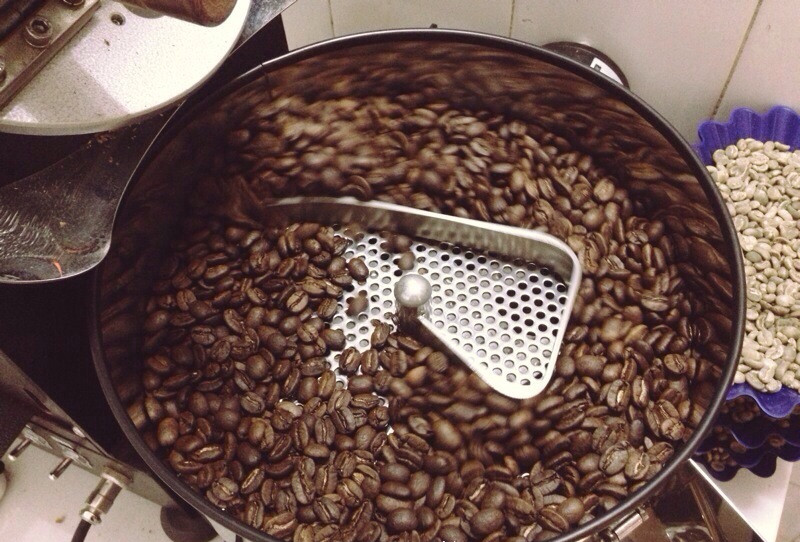
Basic chemical reactions of coffee beans during coffee roasting
Many thermal and chemical reactions take place during baking: decarbonation, dehydration of quinic acid, subdivision, isomerization, polymerization, and complex sugar reactions (caramelization). The main components of the thermal reaction are monosaccharides and sucrose, chlorogenic acid, free amino acids, and fenugreek amide. Both aravinose and calactose in the polysaccharides are transferred, and the basic vulcanization process includes hydroxylamine.

Why does coffee taste good? coffee smells good.
Why is coffee bitter? It is strange that people still fail to figure out why coffee is bitter. It is true that caffeine is bitter, but because it tastes light, caffeine is not the real source of coffee bitterness. Scientists have found that coffee also contains two other bitter substances: chlorogenic acid lactone and phenyllindane. The former is abundant in light and moderately roasted coffee, while the latter is deeply roasted.
The basic chemical reactions that take place during coffee roasting
Many thermal and chemical reactions take place during baking: decarbonation, dehydration of quinic acid, subdivision, isomerization, polymerization, and complex sugar reactions (caramelization). The main components of the thermal reaction are monosaccharides and sucrose, chlorogenic acid, free amino acids, and fenugreek amide. Both aravinose and calactose in the polysaccharides are transferred, and the basic vulcanization process includes hydroxylamine.

The Origin of American Coffee-American Coffee with Sugar
The Origin of American Coffee-the ratio of water to coffee with sugar: a general rule is that six ounces of boiling water is better than 1 to 2 tablespoons (tablespoons) of ground coffee powder. You can adjust it according to your personal preference. Water temperature: for the best extraction results, the temperature of your coffee pot should be kept at 195 to 205 degrees Fahrenheit. If the temperature is too low to refine enough, it will make the coffee
The basic chemical reactions that take place during coffee roasting.
Many thermal and chemical reactions take place during baking: decarbonation, dehydration of quinic acid, subdivision, isomerization, polymerization, and complex sugar reactions (caramelization). The main components of the thermal reaction are monosaccharides and sucrose, chlorogenic acid, free amino acids, and fenugreek amide. Both aravinose and calactose in the polysaccharides are transferred, and the basic vulcanization process includes hydroxylamine.
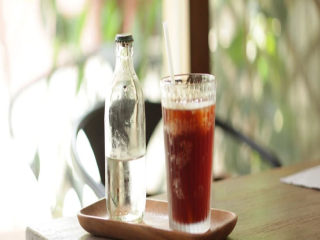
How does iced American coffee make it bitter? Ice American Coffee Taste making course can instant coffee be made?
Many friends asked Qianjie, "how on earth do you make your iced American coffee? it's so hot and delicious!" American coffee as a permanent sign on the menu of coffee shops, the taste of American coffee in each coffee shop is different. So Qianjie taught everyone the practice of American coffee in Qianjie.

Coffee shop chat guide what kind of coffee can I talk to in the coffee shop? Coffee prices are high in coffee shops.
More information about coffee beans Please follow the coffee workshop (Wechat official account cafe_style) when it's lunchtime and it's your turn to suggest a good cup of coffee, you should know more and tell your colleagues the difference between your Arabica coffee and Robusta coffee. We interviewed Jeremy Charland (Jeremy Challender) and Pu.
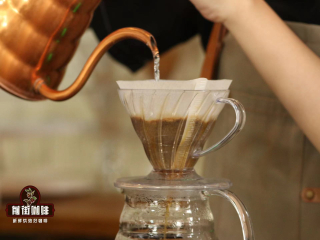
The common sense of handmade coffee brewing how to calculate the ratio of water to powder in the operation process of hand-made coffee?
Filter type can be divided into: filter cup type: Japanese handmade coffee (Japanese hand brew) is the most. Filter bag type: Italian bag coffee is the best. Professional grinding: Japanese handmade coffee should be ground 1.52 grams. Coffee bean quantity comparison table: one person: 15 grams 20 grams or so two: 30 grams 35 grams or so